The answer with these values
3.7 kW covers this driving pattern
Driving needs estimate. Available household power and the installation need a separate check.
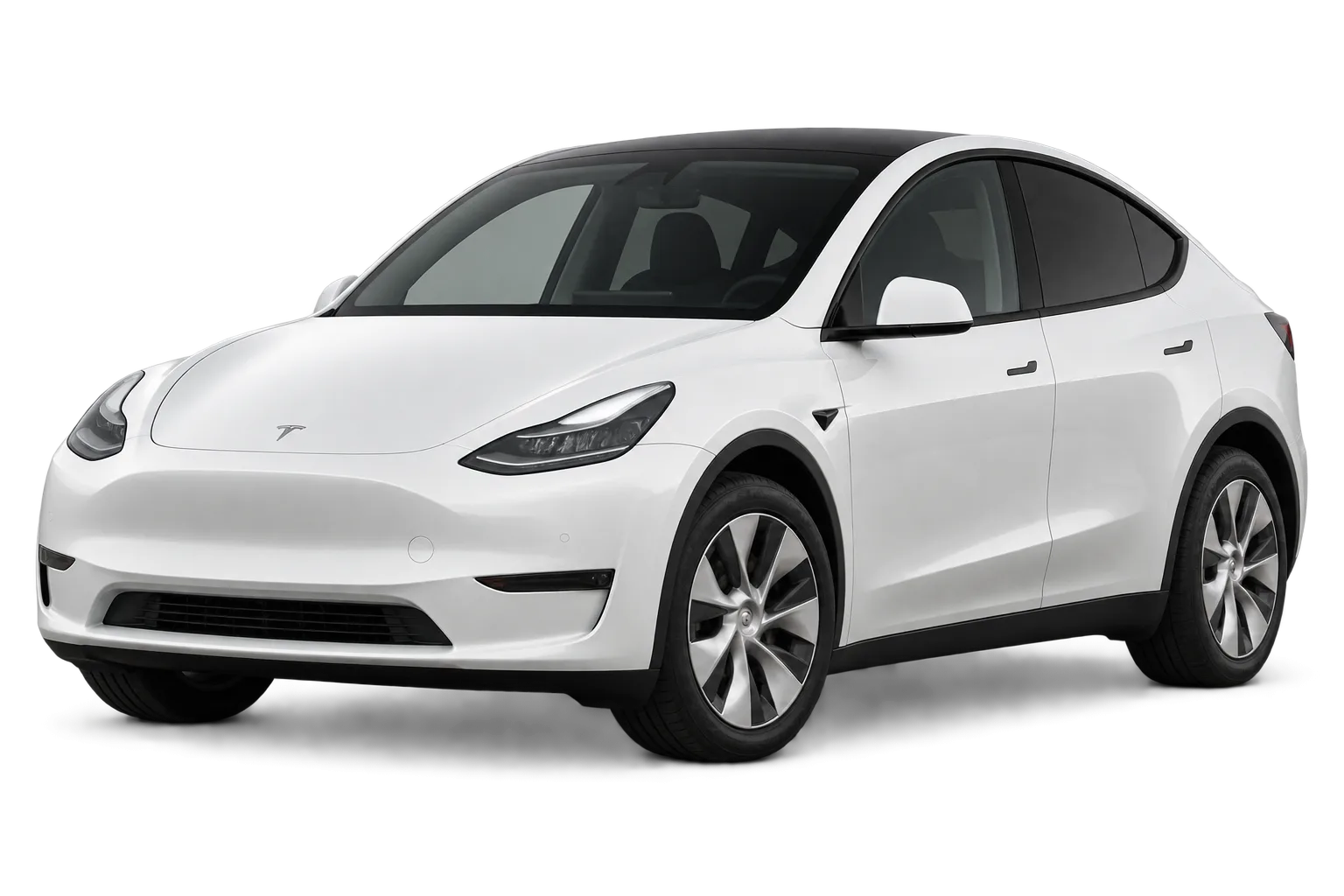
For 100 km/day, a 3.7 kW charger replenishes the used energy in about 5.3 hours. An eight-hour night leaves spare time, whereas a 2.3 kW socket falls short. Electricity is about €55/month. Under these assumptions, 11 kW is not needed for this daily task.
- Daily wall energy
- 19.7 kWh/day
- Average power needed for the energy
- 2.5 kW
- Time for an average session
- 5.3 h
- Monthly electricity for this driving
- 55.3 €/month
Talk the numbers over with a friend.
What could change the answer?
This is an energy calculation, not an installation assessment. An electrician must verify the socket, circuit, protections and available capacity for sustained charging. Cold weather, higher consumption, other appliances or a missed night can change the answer. Losses are assumed; the monthly cost covers electricity only.
Input values
Driving and energy
- Daily driving
- 100 km
- Battery consumption
- 17.7 kWh/100 km
- Home electricity
- 0.0923 €/kWh
Home and charger
- Charging window
- 8 h
- Charging days
- 7 /week
- Charging efficiency
- 90 %
- Main breaker per phase
- 40 A
- Household load
- 0.5 kW
- Usable battery
- 75 kWh
- Additional weekly trip
- 0 km
- Supply
- Single-phase
- Charger phases
- 1
- Charger current
- 16 A
- Charger limit
- 3.7 kW
- Vehicle · single-phase
- 7.4 kW
- Vehicle · three-phase
- 11 kW
- Cold-weather multiplier
- 1 ×
- Battery on arrival
- 50 %
- Reserve
- 20 %
- Charge target
- 80 %
- Load management
- Fixed
- Daily wall energy
- 19.7 kWh/day
- Average power needed for the energy
- 2.5 kW
- Time for an average session
- 5.3 h
- Monthly electricity for this driving
- 55.3 €/month
- 100 km daily and eight hours every night. Single phase, 230 V × 16 A = 3.68 kW (labelled 3.7 kW); illustrative 90% efficiency.
- Illustrative single-phase 40 A supply and 0.5 kW for other appliances throughout the window. This is not a measurement of your home.
- European Model Y (2020–2024), 75 kWh usable battery and 17.7 kWh/100 km battery-side consumption: editable example values, not guaranteed consumption.
- Charging every night with no extra long trip. Initial charge 50%, target 80%, reserve 20%. Electricity uses the site’s pinned night-tariff example.
- Monthly cost uses 365.25 / 12 days and €0.0923/kWh night electricity. The rate is a pinned example, not a new quote. The stated time restores daily use, not an empty battery.
How does this compare with public data?
These references put the saved assumptions in context. They do not replace a personal quote or measurements from your car.
Two different measurement bases
Consumption: catalogue and owners
- This scenario · battery
- 17.7 kWh/100 km
- Tesla WLTP · from the wall
- 16.4 kWh/100 km
- Mean of collected owner reports
- 17.7 kWh/100 km
WLTP includes charging losses; in-car reports measure battery energy. They are not directly comparable. Owner reports are a convenience sample, not representative statistics.
Saved reference date:Sources and version
Saved data basis · Saved revision 16 · Example reviewed
Prices and results stay pinned to this revision. New tariffs or data require another review of the example.
- Tesla · WLTP
- 2023 Long Range AWD · 20″
- 2021 Long Range AWD · 20″
- 2023 Long Range · 19″
- 2023 Long Range
- Long Range AWD · 2026-10-09
- evn.bg · 2026-10-09
- electrohold.bg · 2026-10-10
- www.energo-pro.bg · 2026-10-14
- www.tesla.com · 2026-10-20
- energylibrary.tesla.com · 2026-10-20
- support.myenergi.com · 2026-10-20
- www.adac.de · 2026-10-20